Instruments and controllers: choose carefully!
Choosing a field controller is also personal: screen, keyboard and above all batteries. What I learnt surveying in a white marble quarry.
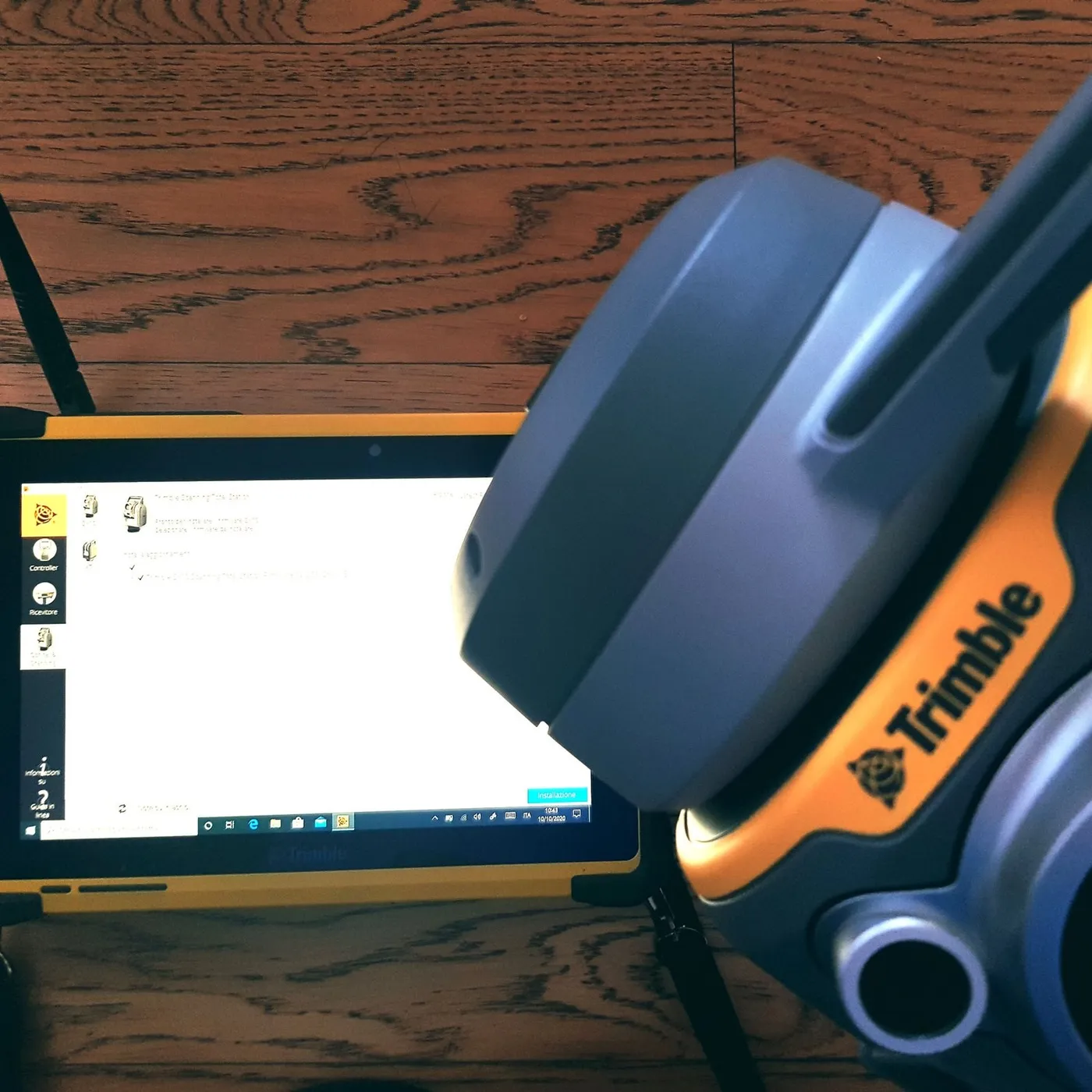
Many instruments come with a controller, a mobile device where you create projects, launch measurements, record and export data, …
GPS can hardly do without one.
If you work in RTK, drop the “hardly”.
Through the controller software you manage the survey, change important parameters (mountpoint, connections, cut-off, …) and see whether things are going well.
Total stations all have their own onboard software and can be run on their own, but they don’t rule out a controller, and in some cases it lets you work alone with a robotic station, walking around with the prism.
Laser scanners are also integrating them more and more, to follow the progress of the work and register scans in the field.
Choosing a controller is also a personal matter.
It depends on its features and on the settings you work in most often.
Some people love a big touch screen, others prefer a physical keyboard.
Another factor is how hard you will push the batteries.
A large tablet needs more power than one with a smaller screen.
If there are several options for an instrument you’re interested in, the best thing is to try them (properly!) in the field and see which suits your needs best.
It is no small matter…
I spent some time in the summer surveying in a white marble quarry in Carrara.
There was light everywhere!
And it bounced off the white vertical faces, getting even stronger.
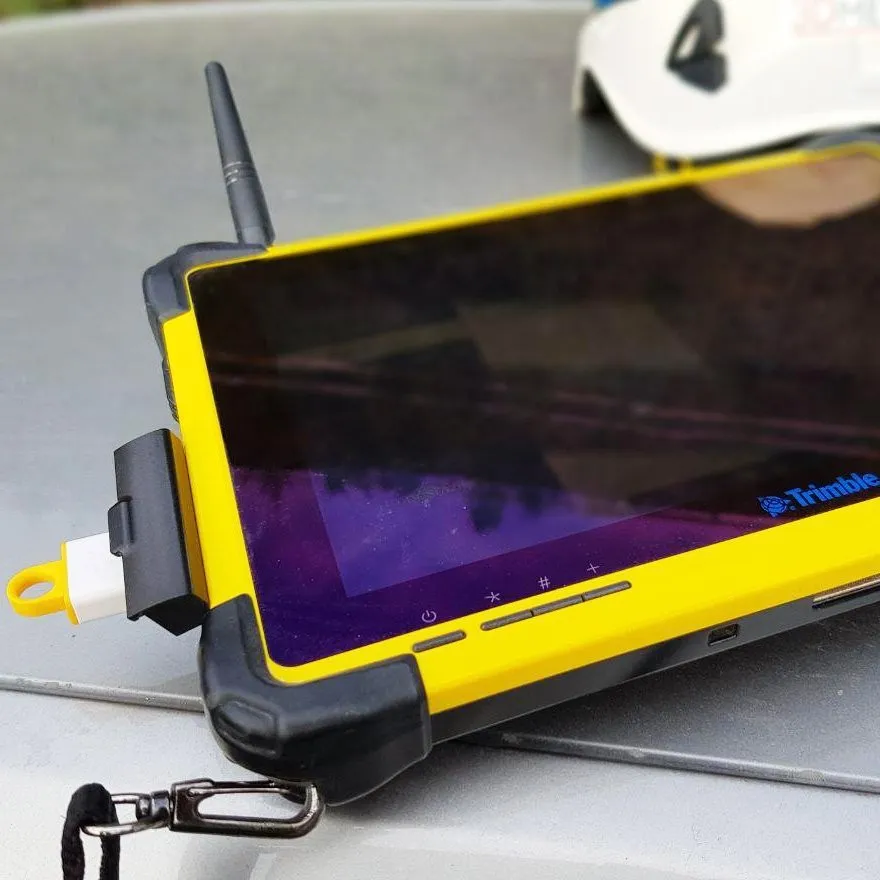
I had chosen a controller with a very large touch screen (a Trimble T10), but I always had to turn the brightness up to the maximum, draining the batteries, with a real risk of not getting through the whole day.
On one occasion I came close and had to find a mains socket (luckily there was one!) for a partial recharge.
I realised it wasn’t the best choice for my needs and decided to swap it for another controller (a Trimble TSC7), with a smaller screen (less power-hungry), a numeric keypad and two batteries that can be hot-swapped one at a time without turning the device off.
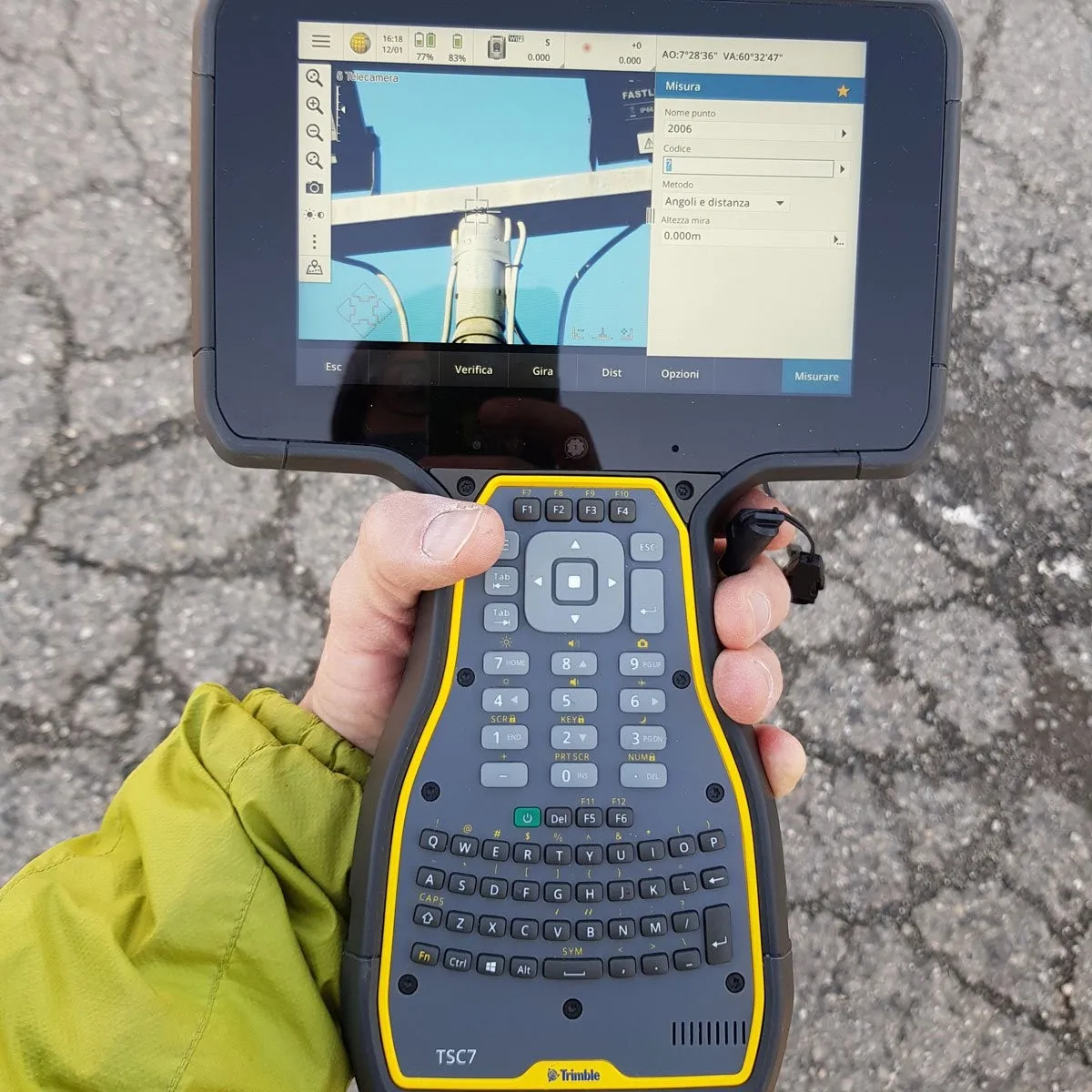
Now it’s much better!
🙂
I could only do it thanks to the helpfulness of, and agreements with, my reference technicians.
Consider this aspect too, because it matters!