
LiDAR clouds and automatic ground classification: remove (at least) the outliers first
Before running automatic ground classification on a LiDAR point cloud, clean it: outliers below the ground can mislead the classifier.
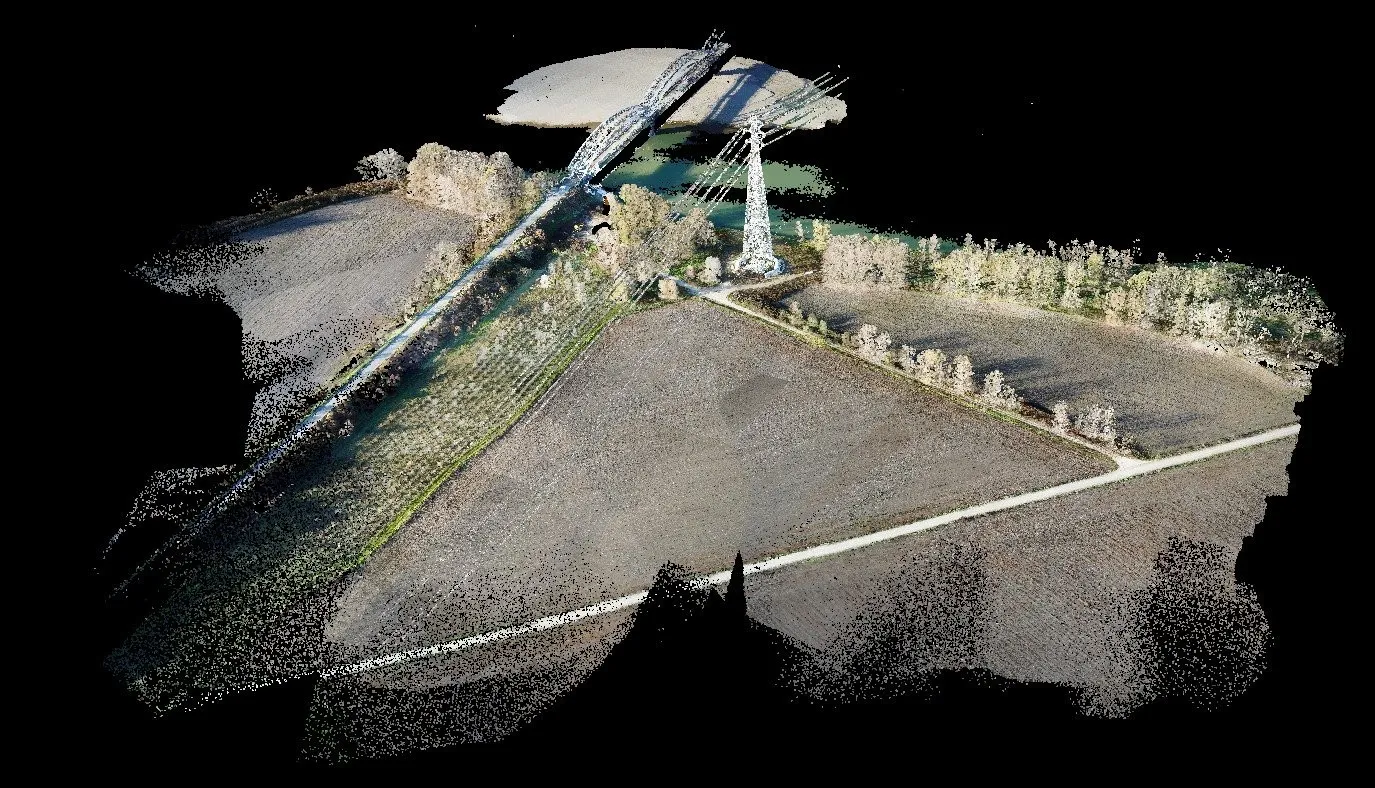
Before running automatic ground classification on a LiDAR point cloud, it pays to clean it up a bit so that the result is good.
It is not unusual to find noise and isolated points scattered (randomly) in 3D space.
A LiDAR sensor is not infallible (a lot depends on its characteristics) and the point cloud can hold surprises.
Especially where there is water or highly reflective, mirror-like surfaces.
Outliers are the trickiest.
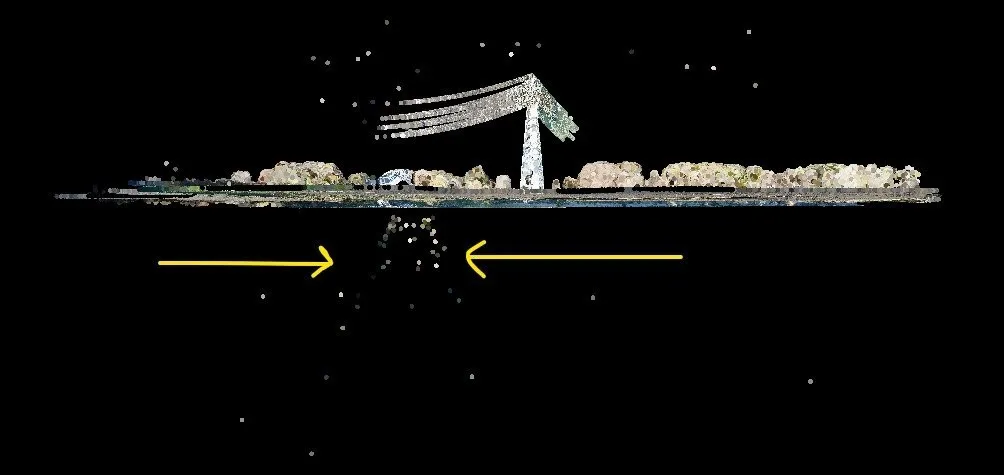
If, for example, there are isolated points below the real ground level, they can give misleading information to the classifier.
Ground classification algorithms work in steps.
The first is to find the lowest points in the cloud.
From there they try to understand how the other points are distributed in a larger or smaller neighbourhood, assigning the “ground” class.
Maybe I’ve simplified it a bit too much, but in practice, if there are outliers with a very low (unrealistic) elevation, they can be mistaken for ground points and produce an output that makes little sense.
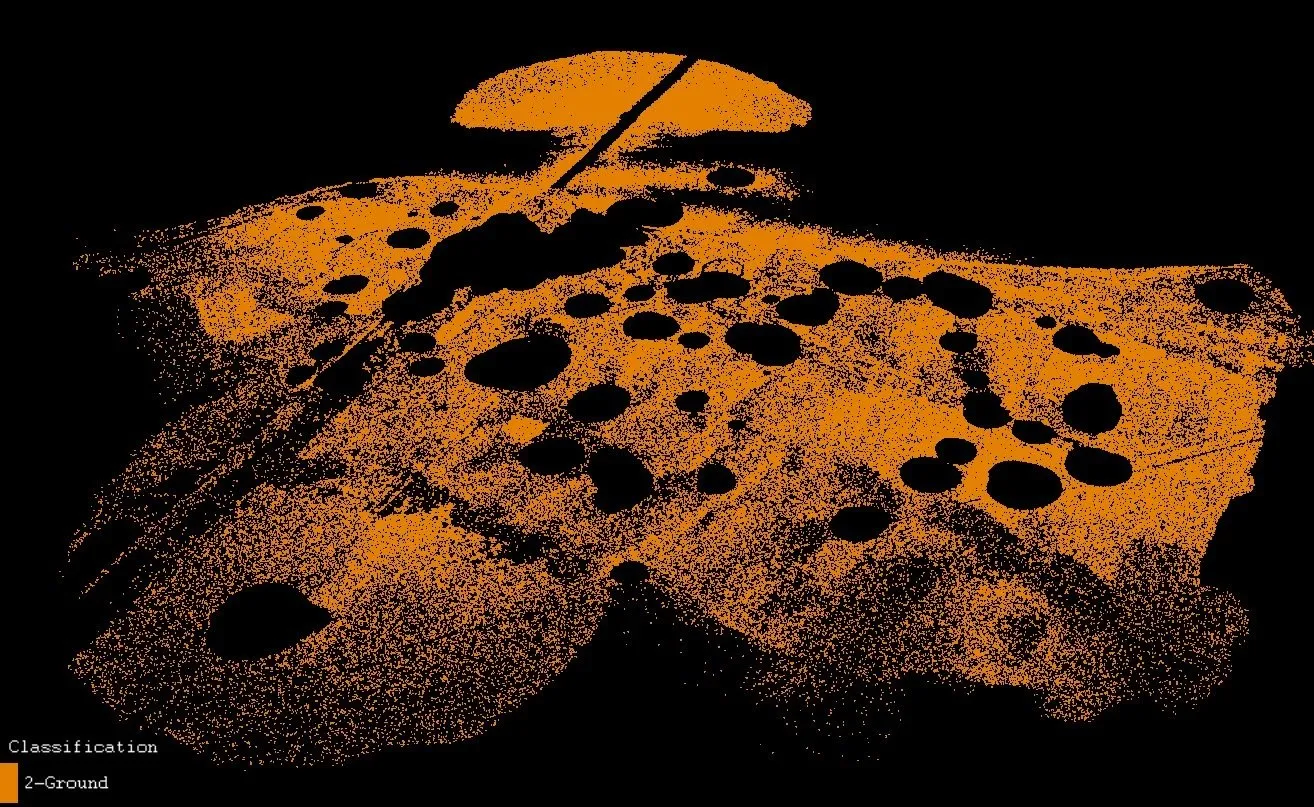
You would end up with a ground point cloud full of holes, like Swiss cheese, exactly where the outliers are.
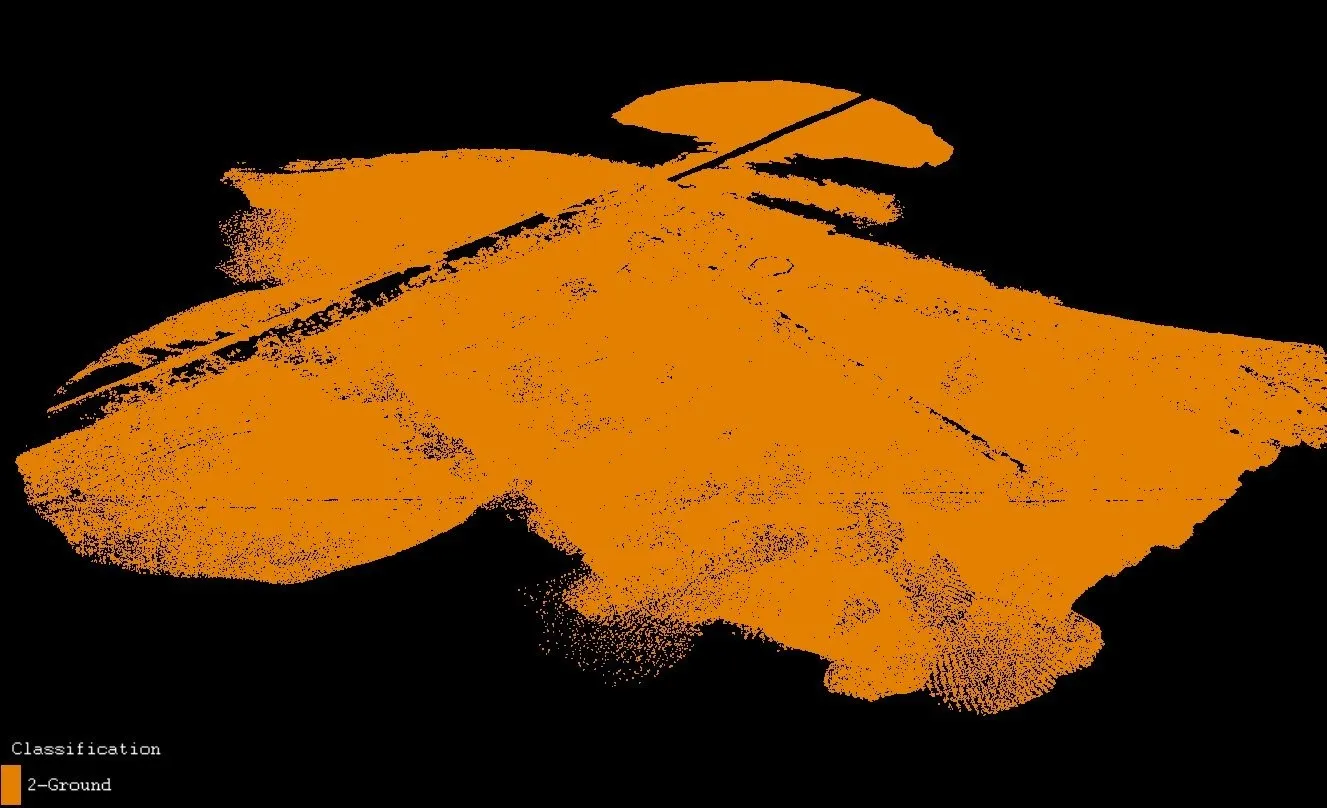
So it is better to remove them first and get rid of the problem.
And while you are at it, you can also remove the noise from the LiDAR cloud (with the “Noise Filter” tool found in many programs of this kind).
The impact on ground classification is not as marked as removing outliers, but it reduces the number of points in the clean cloud, which helps the software in the processing it has to handle.
In the images in this post you can see:
-
a LiDAR cloud (complete and coloured);
-
the cloud seen from the side, with the outliers highlighted;
-
ground classification without removing the outliers first;
-
ground classification after cleaning.