Instrument tests and trials
Why it is worth testing instruments, techniques and methods outside of paid jobs: time, small datasets, freedom to experiment and to make mistakes.

I think it is very important to test instruments, techniques and methods, also and above all outside of paid jobs.
There are many advantages.
I’ll list a few, but I’m surely leaving some out.
In a test you can take your time, both in capturing the data and in processing it, because you have no delivery obligations to a client.
You choose the extent and size of the working area, so you can capture small datasets that don’t leave you with gigabytes and gigabytes of data to archive, and you can repeat processing without waiting through nights of calculations.
You can afford experiments you would hardly try on a job, but which, if they work, you can then use for real.
If you get something wrong, nothing happens.
If you pay attention to the mistakes you made, you will have learnt something more.
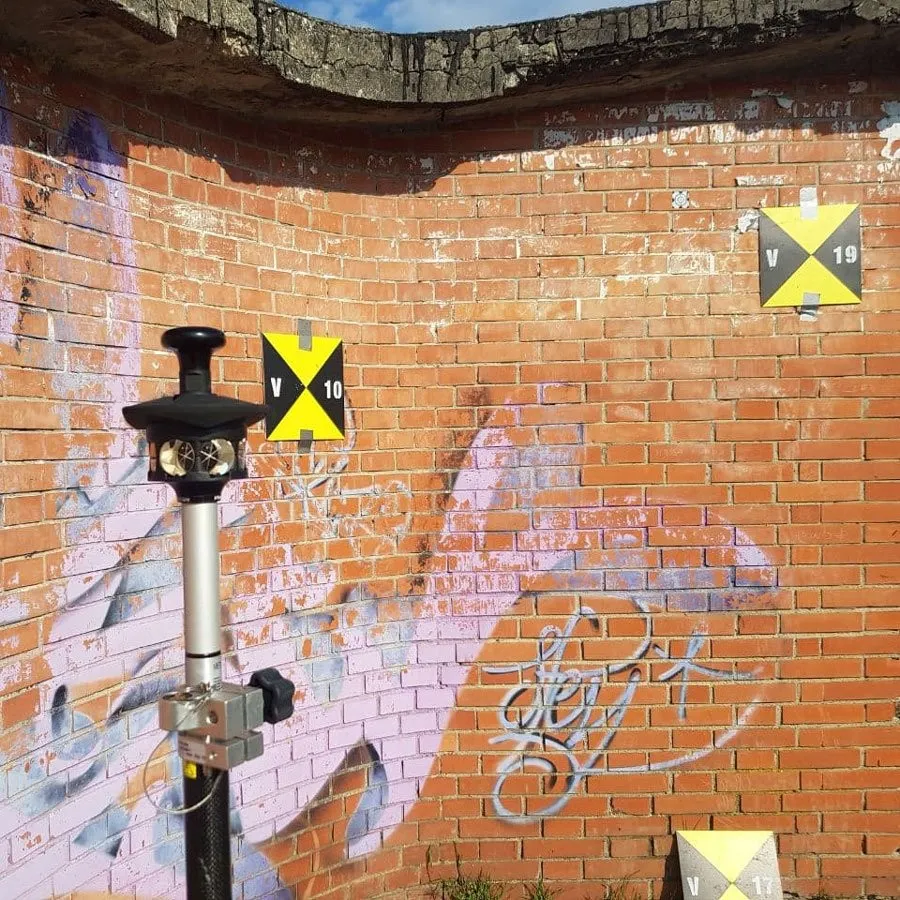
You can understand the real limits or the concrete strengths of an instrument and judge when it is worth using it and when it is better left in the car.
If you find an accessible, convenient and quiet area, you won’t have to worry about unattended instruments or tripods exposed to knocks and falls.
It is a great way to get familiar with a new instrument without doing it on a real job, where you risk wasting time and looking, to the client, like someone who doesn’t know their own tools.
As in sport, tests repeated at regular intervals keep you in training and on top of things.