Surveying: ask for a result, not a tool
Technical specifications often prescribe a technology or an instrument instead of describing the expected results. Here is why that is a problem.
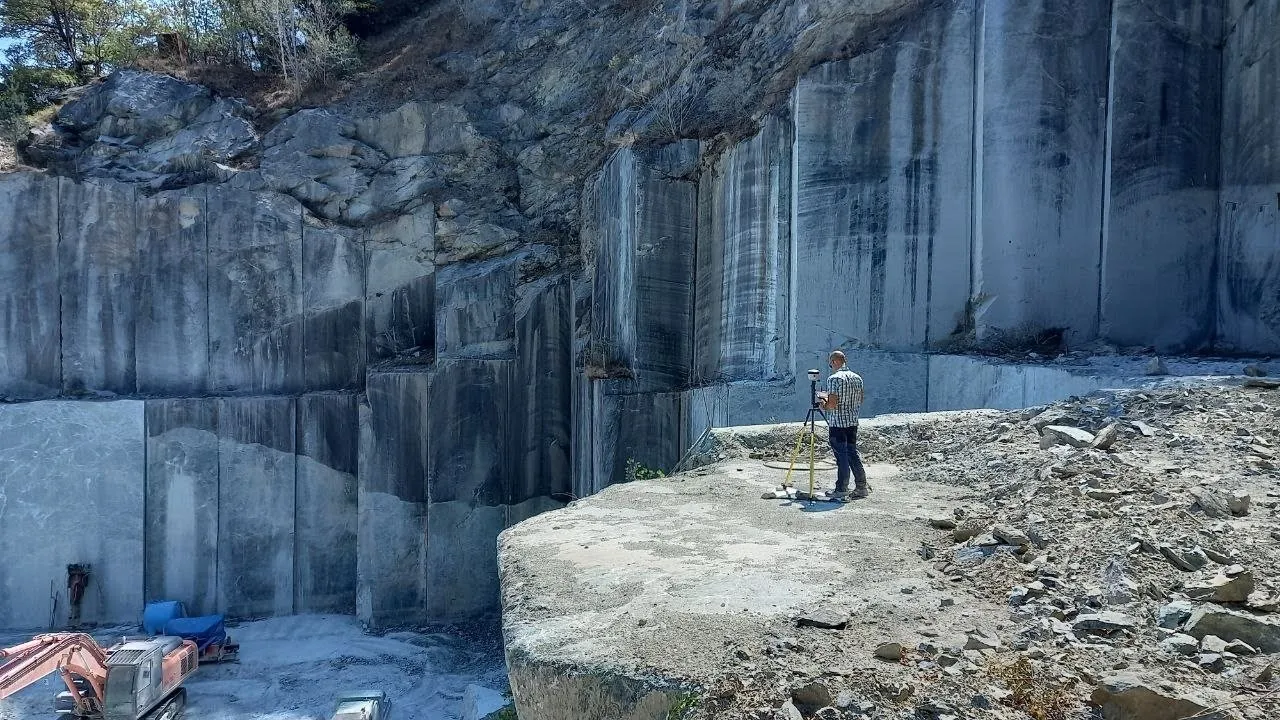
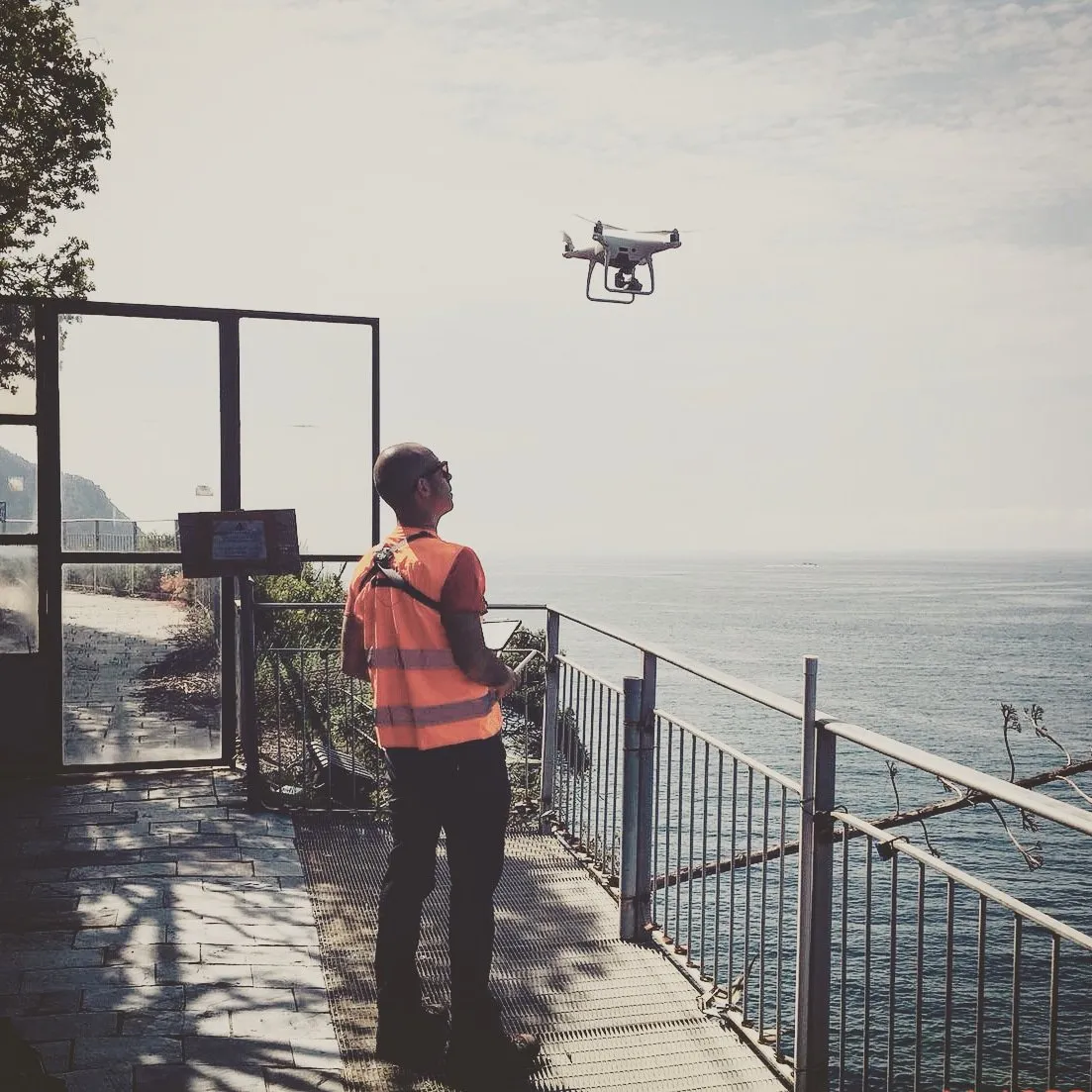
I (often) read technical specifications that ask for a survey by naming a specific technology or instrument, rather than spelling out the expected results.
“We need a drone survey” is on the podium of the phrases that make me itch a bit.
It means nothing, since a drone is not a measuring instrument.
“It has to be an aerial photogrammetry survey because we need the point cloud.”
But a mobile mapping system also gives you a point cloud.
“The laser scans must be carried out with instruments capable of one million points per second.”
For a 1:500 scale plan?
I notice that, sometimes, much more important information is left out, such as the accuracy of the output, the mapping scale, the reference systems and, in general, the purpose of the work.
After all, a survey solves a problem.
But the problem can be very different from case to case.
It is important to communicate it in detail, so that the surveyor can choose the instruments to use and therefore the route to follow.
When I think of public authorities, I would like to know that a geomatics consultant or surveyor had supported their staff in drafting technical specifications.
Or in assessing the bids that come in.
Does that make sense?
Has it ever happened?
If you carry out surveys, have you read specifications with “odd” content?
And in that case, did you point out the oddities, submit a bid or let it go?
Or have you written technical specifications for surveys?
Did you find it hard?
And did you get comments on what you wrote from the people you asked to bid?
The “speed of geomatics” today is really high, and I hope this topic can be food for thought.