After-sales support is not an extra, it is part of the product
An accident with my DJI Matrice 4E reminded me of something very clear: today after-sales support is part of the real value of an instrument, as much as hardware, performance and features.
Last Thursday I broke something.
I had an accident with my DJI Matrice 4E, which landed in the branches of a bare tree.
No excuses, no mitigating circumstances.
My mistake.
I was an idiot!
😬
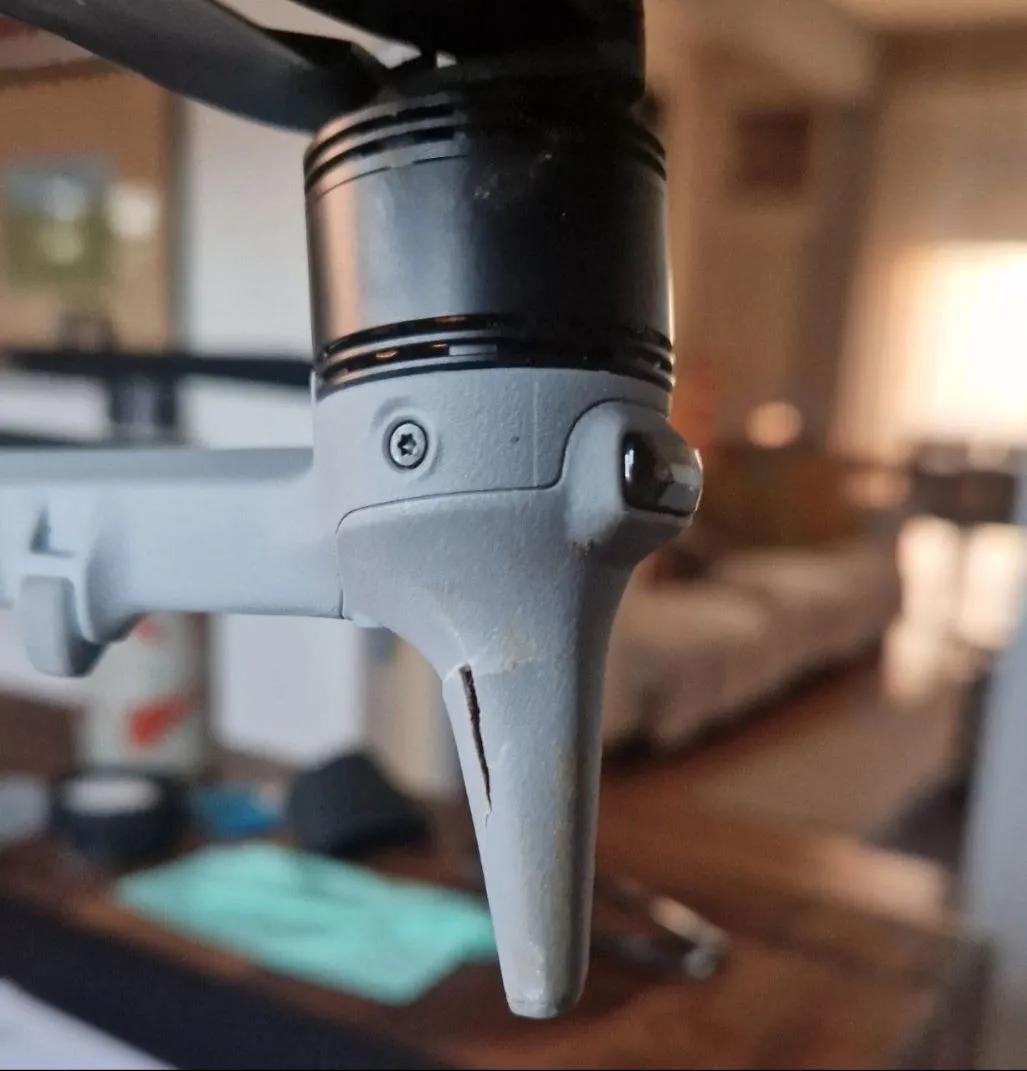
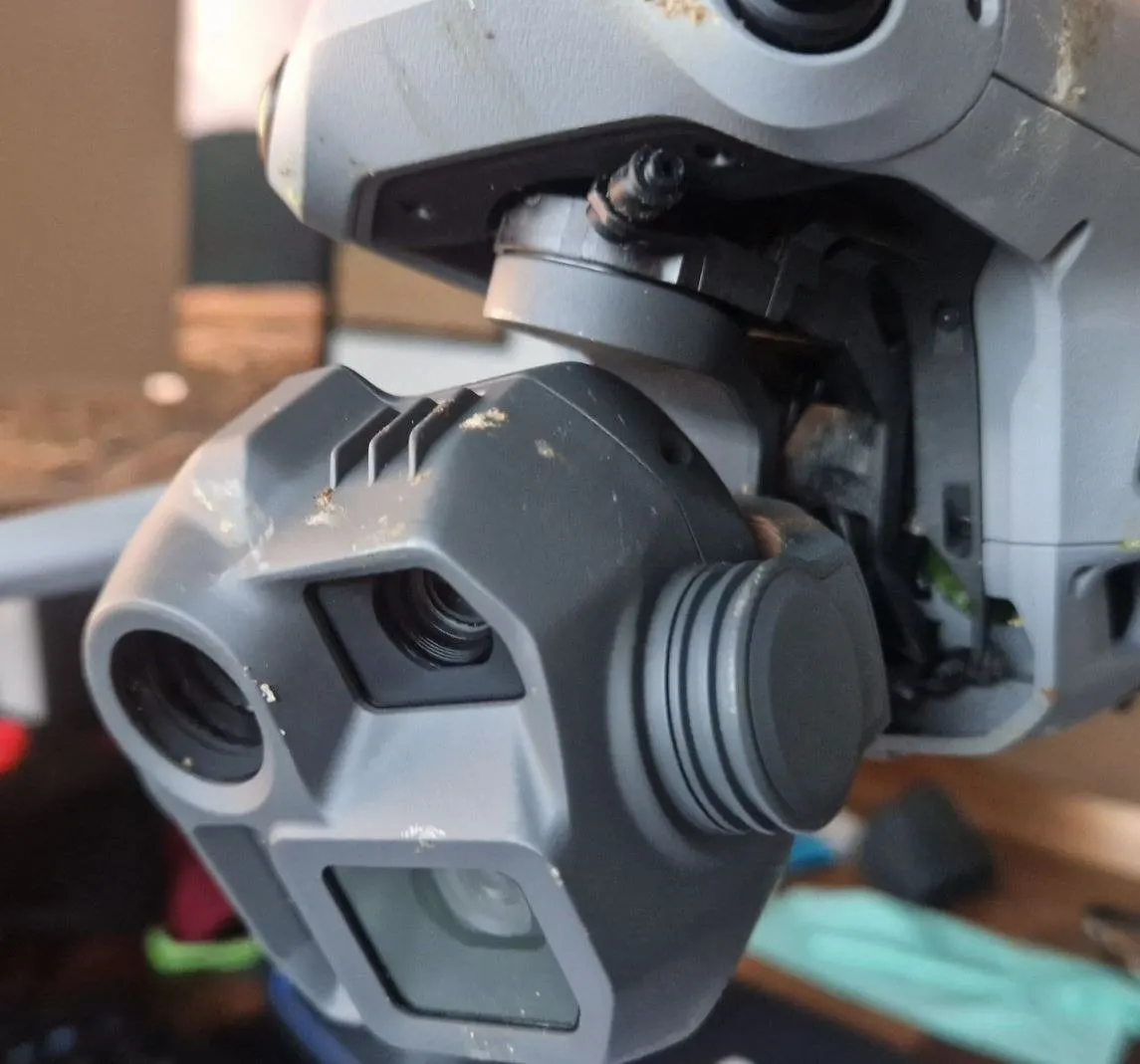
I got the drone back, but the gimbal and one arm needed repairing.
On Friday I sent the drone to DJI’s official service centre in Germany.
On Tuesday the email arrived confirming they had taken it in.
On Wednesday I received the report with the repairs to be done.
The cost, not very high, was covered by the “Enterprise” plan.
On Friday I had the drone back, repaired and working.
One week later.
This experience confirmed something for me: in 2026, for anyone working with technical instruments of any kind, support is no longer an accessory.
It is part of the product.
That applies to hardware and, in my opinion, partly to software too.
When a professional or a company invests capital in an instrument, often an expensive one, they are not just buying a data sheet, sensors, performance, specifications or features.
They are also buying what happens afterwards.
When something breaks, when a workflow gets stuck, when there is an operational doubt, or when you need a quick answer because the job cannot wait.
And then support means:
- quick repair times
- simple procedures for shipping and intake
- clear communication
- real technical support
- the ability to solve problems, not just to open tickets
If a product is excellent but, when a problem arises, you end up in a maze of emails, waiting, silence and pointless steps, the experience becomes a nightmare.
There is another aspect too.
The way support is delivered is also changing.
There used to be long tickets in clunky portals or endless email chains.
Today the market increasingly expects quick, direct, almost immediate answers.
Sometimes by phone.
Sometimes by chat.
Sometimes even on WhatsApp.
I’m not saying this is always the perfect solution.
In fact, I think an important issue is emerging: customers need to be aware of the line between being available and being reachable at all times, and respect the human being on the other side…
But one thing is clear: today after-sales support is part of the perceived value of a product as much as the hardware itself.
That is why, in my view, before buying an instrument you should also look at:
- how support works
- how quickly it responds
- where it is based
- how easy it is to get it started
- what feedback it gets from people who have already used it
Because the question is not whether you will need support sooner or later.
The question is how you will be treated when you really need it.